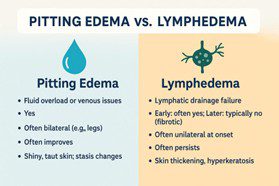
Medical Approach to Managing Lymphedema.
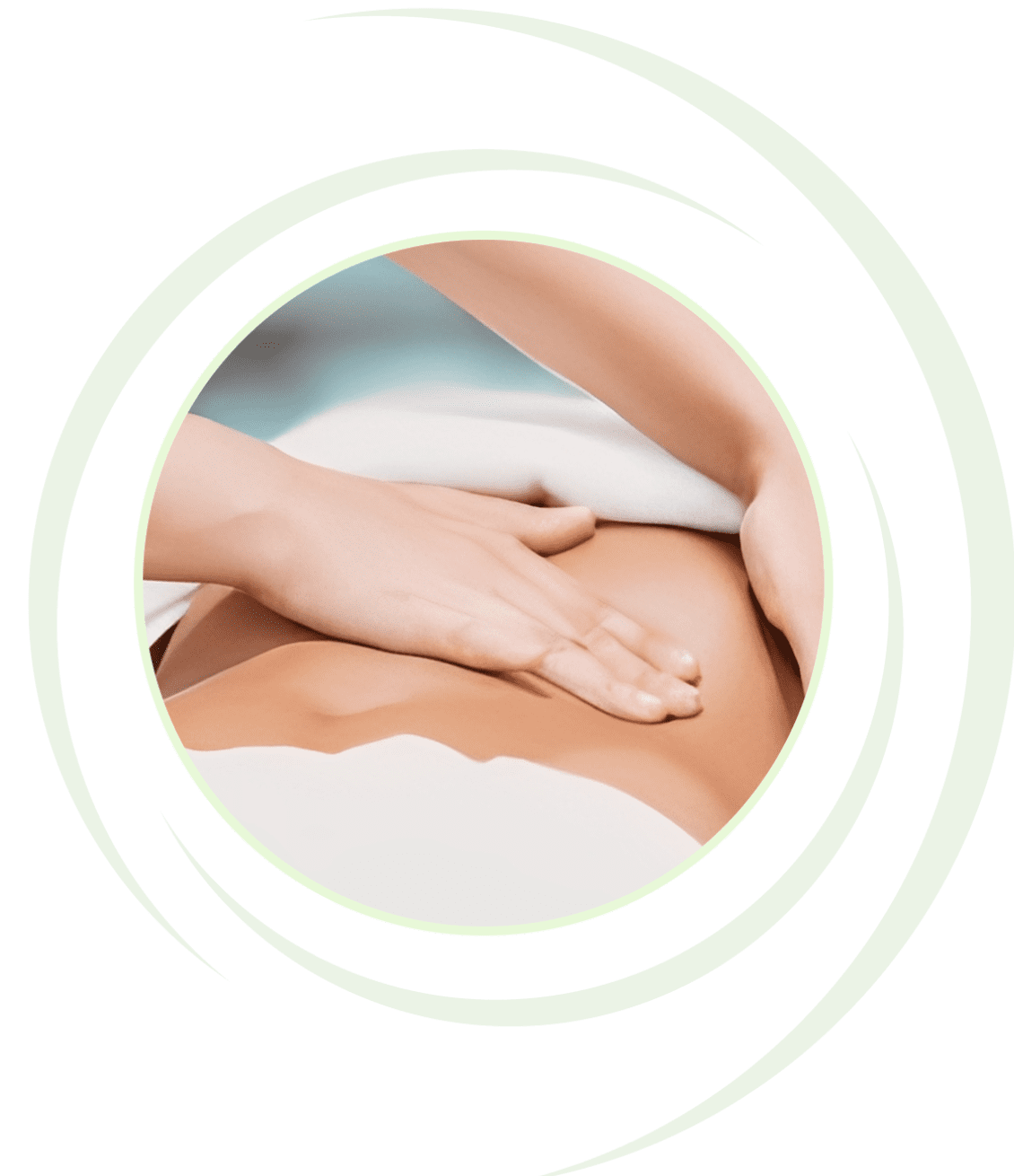
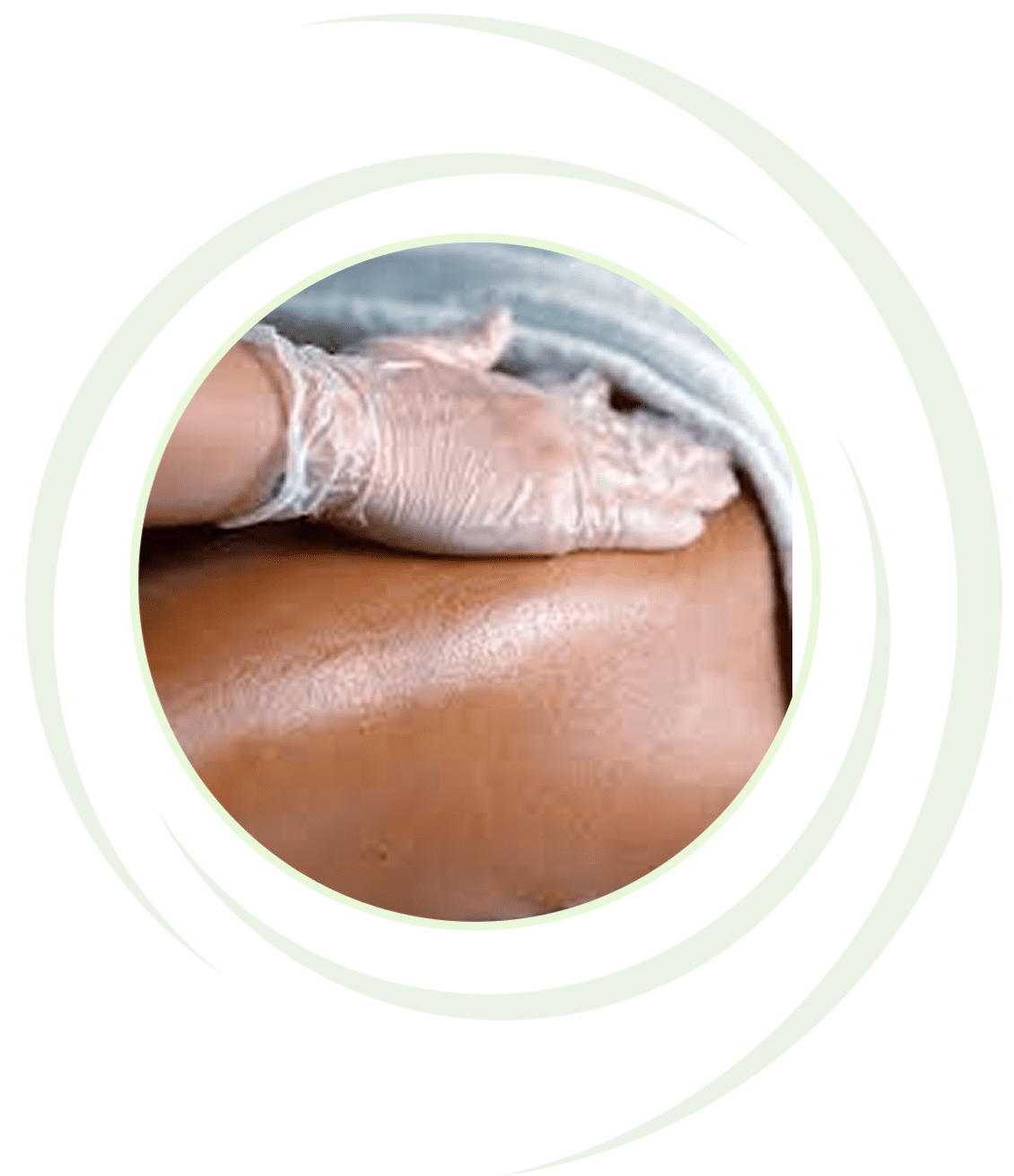
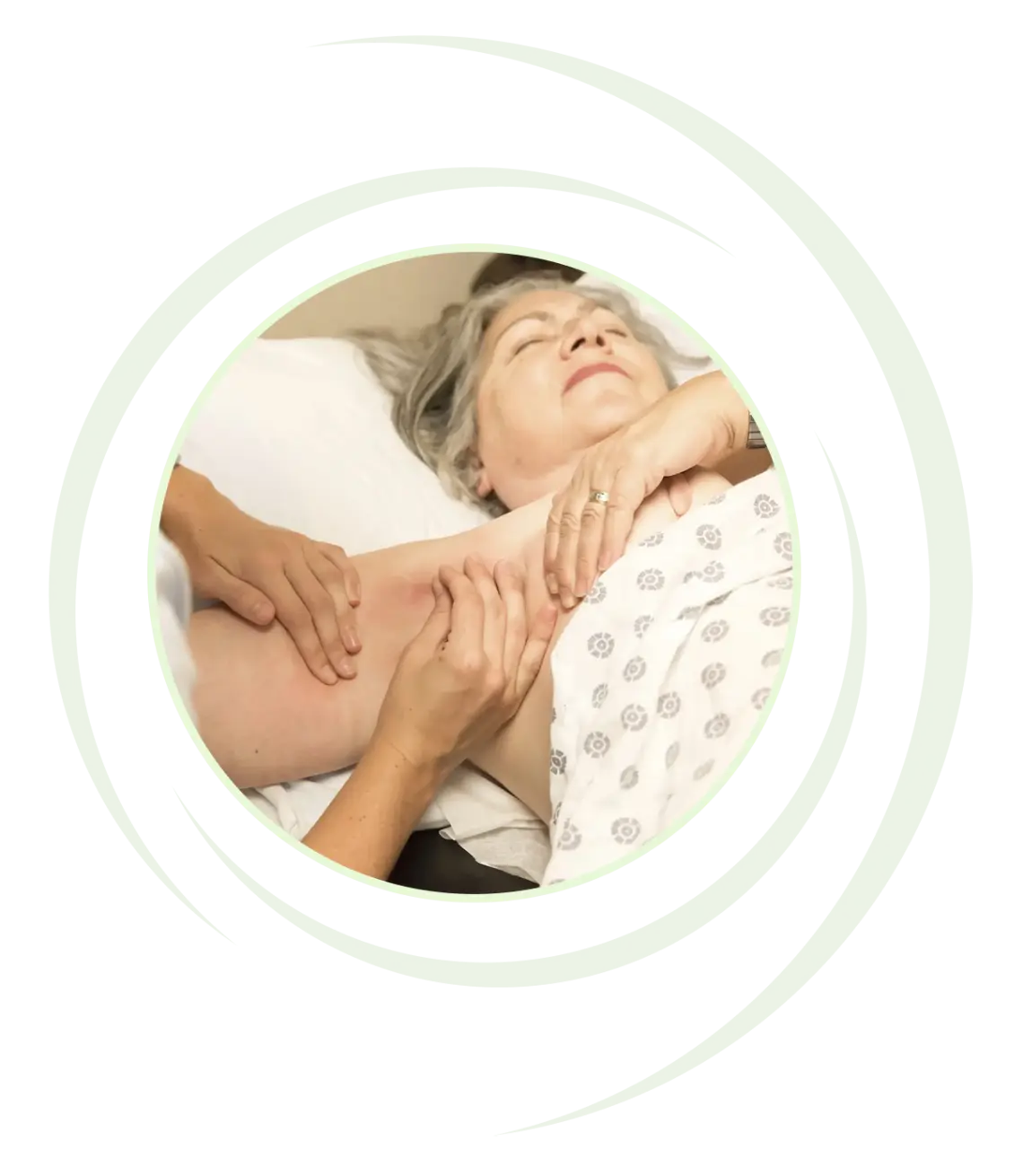
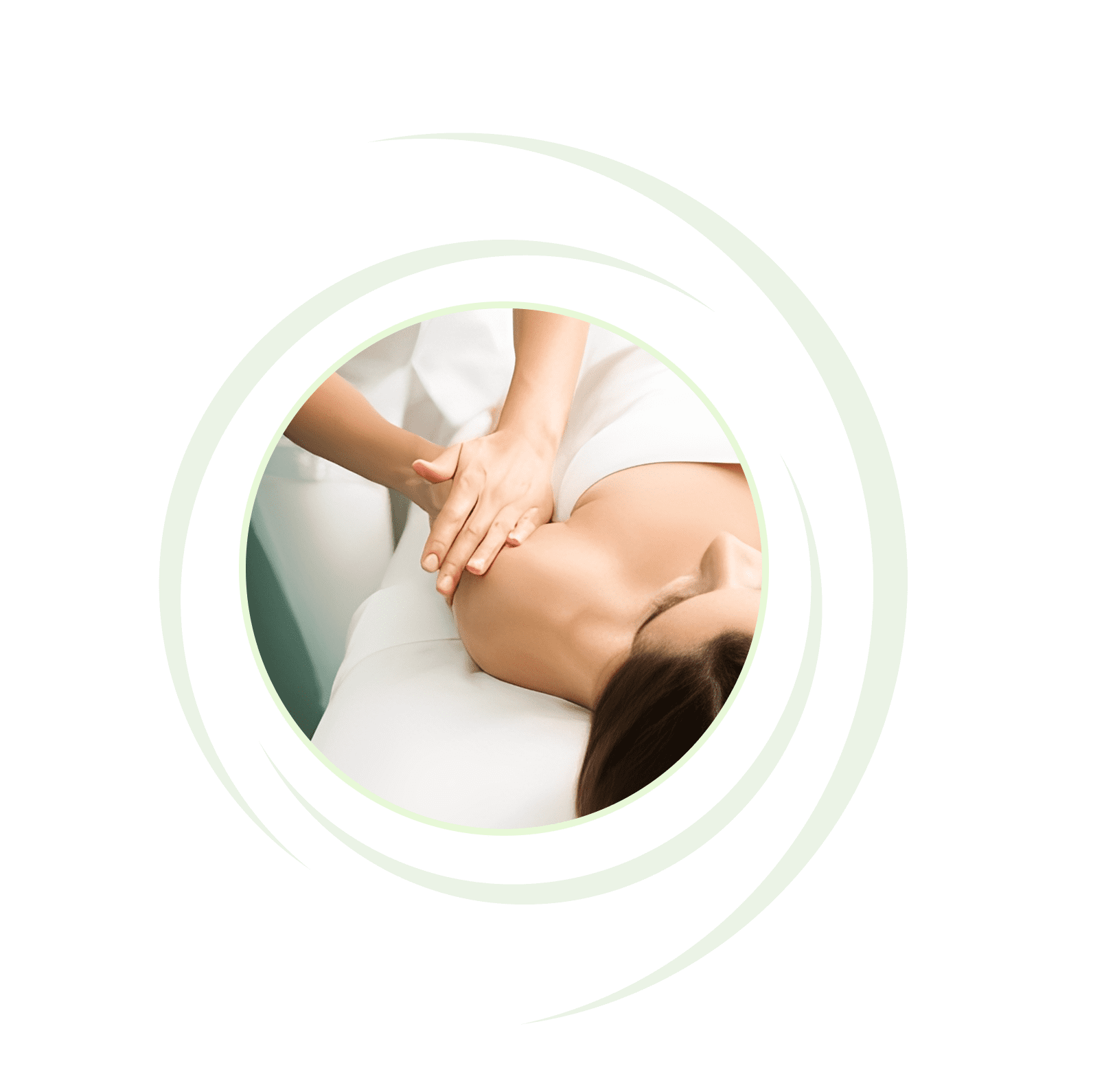
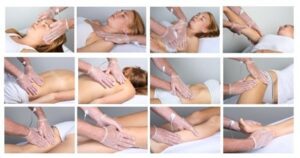
One of the typical side effects of surgery is post-procedure swelling. Swelling is your body’s natural response to trauma, and while it will eventually dissipate on its own, getting a specialized lymphatic massage can help the process along. Unlike a deep-tissue massage, MLD Massage uses sequence of light rhythmic movements to stimulate the lymph system to move fluid towards functioning lymph nodes and vessels.
Benefits of Manual lymphatic massage or drainage
The process of Manual Lymphatic Drainage stimulates the flow of lymph fluid to decrease, which speeds the body’s healing process in several ways, including boosting your immune system and clearing toxins and waste from your tissues. The lymphatic system contains lymphocytes, which are immune cells specifically designed to destroy microorganisms. Poor lymphatic circulation means the lymphocytes can’t do their job, allowing potentially infectious or inflammatory toxins to accumulate and slow down healing. Stimulating the flow of lymph fluid also encourages blood circulation. When blood flow is improved, oxygen and vital nutrients reach the surgical site more quickly, assisting in healing and helping to alleviate soreness.
However, if you have excess inflammation after surgery due to poor lymphatic function, you may end up with excess fibrotic tissue, which can lead to hard, fibrous scars and unsightly bumps. The increased circulation from MDL promotes healing, reduces the risk of uneven lumps, and enhances your overall skin health for optimum results.
Work with a professional: If you have swelling or lymphedema, it is important to work with a therapist who has medical knowledge, received specific training, and has had documented successful outcomes in this area of practice. Other advantages of seeking a medical professional for lymphatic treatment includes availability of additional options to maximize your results such as assistance with wound care, and scar management.

Conditions Treated
A healthcare provider may recommend MLD to treat or manage various medical conditions, including:
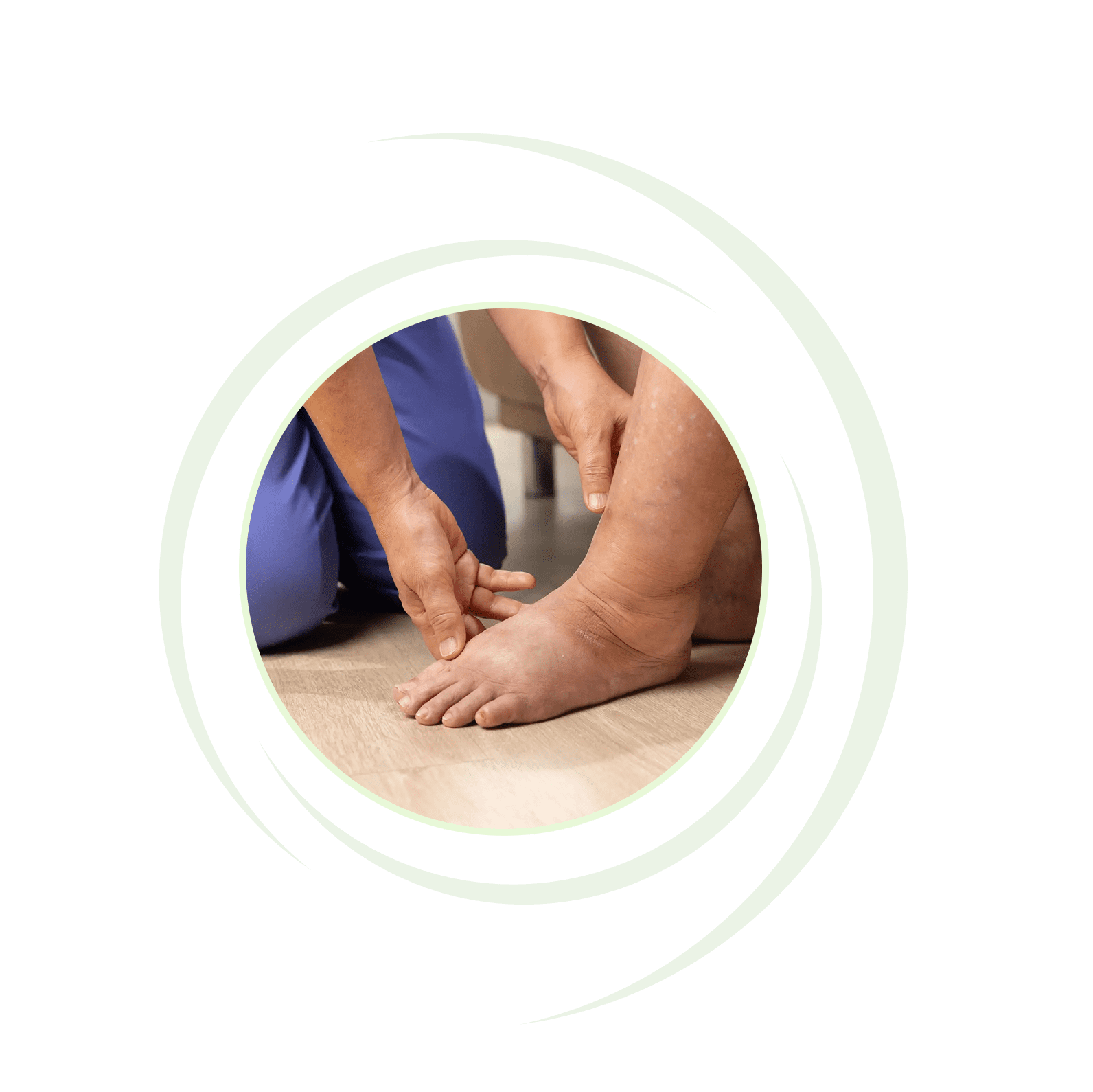
Lymphedema: Lymphedema, or persistent swelling caused by a blockage in the lymphatic system, is a chronic (long-term) condition in which excess fluid (lymph) is unable to flow freely so the fluid collects in tissues causes edema (swelling). Lymphedema can be very debilitating. Most , often after cancer treatment involving the removal of lymph nodes and/or receiving radiation therapy.
Edema: Swelling resulting from excess fluid in the tissues, which commonly occurs after an injury or surgery.
Fibromyalgia: The massage may help improve quality of life for those with this chronic pain disorder.
Chronic venous insufficiency (CVI): A condition in which veins have trouble sending blood from the legs back to the heart. This insufficiency causes swelling in the lower legs which often exhibits color changes in the limb.
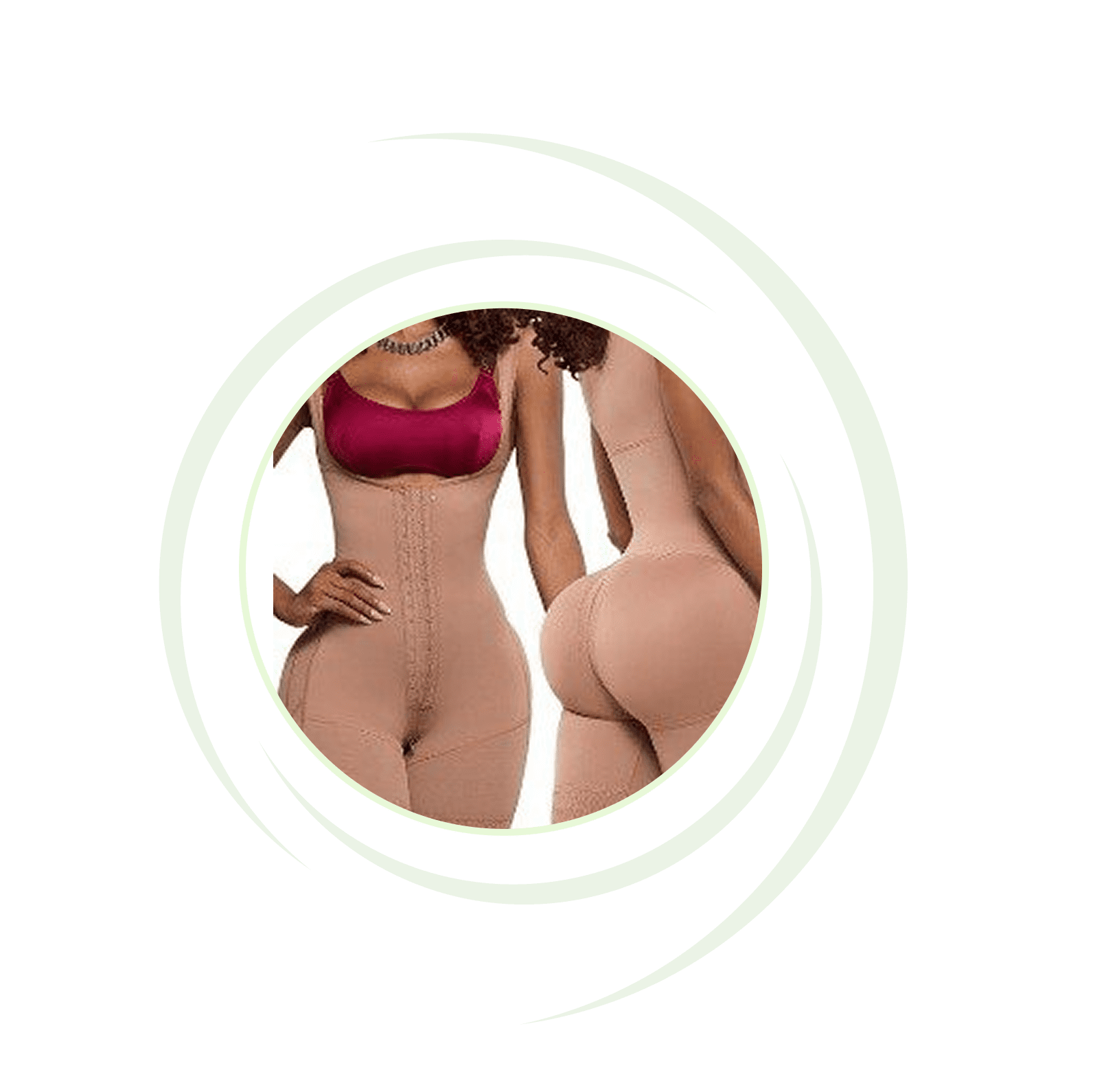
Cosmetic procedures: MLD is often used and very effective after liposuction and other cosmetic surgeries to help: reduce swelling, diminish pain, and minimizes the development of fibrosis (skin hardening).
What to Expect During a Session
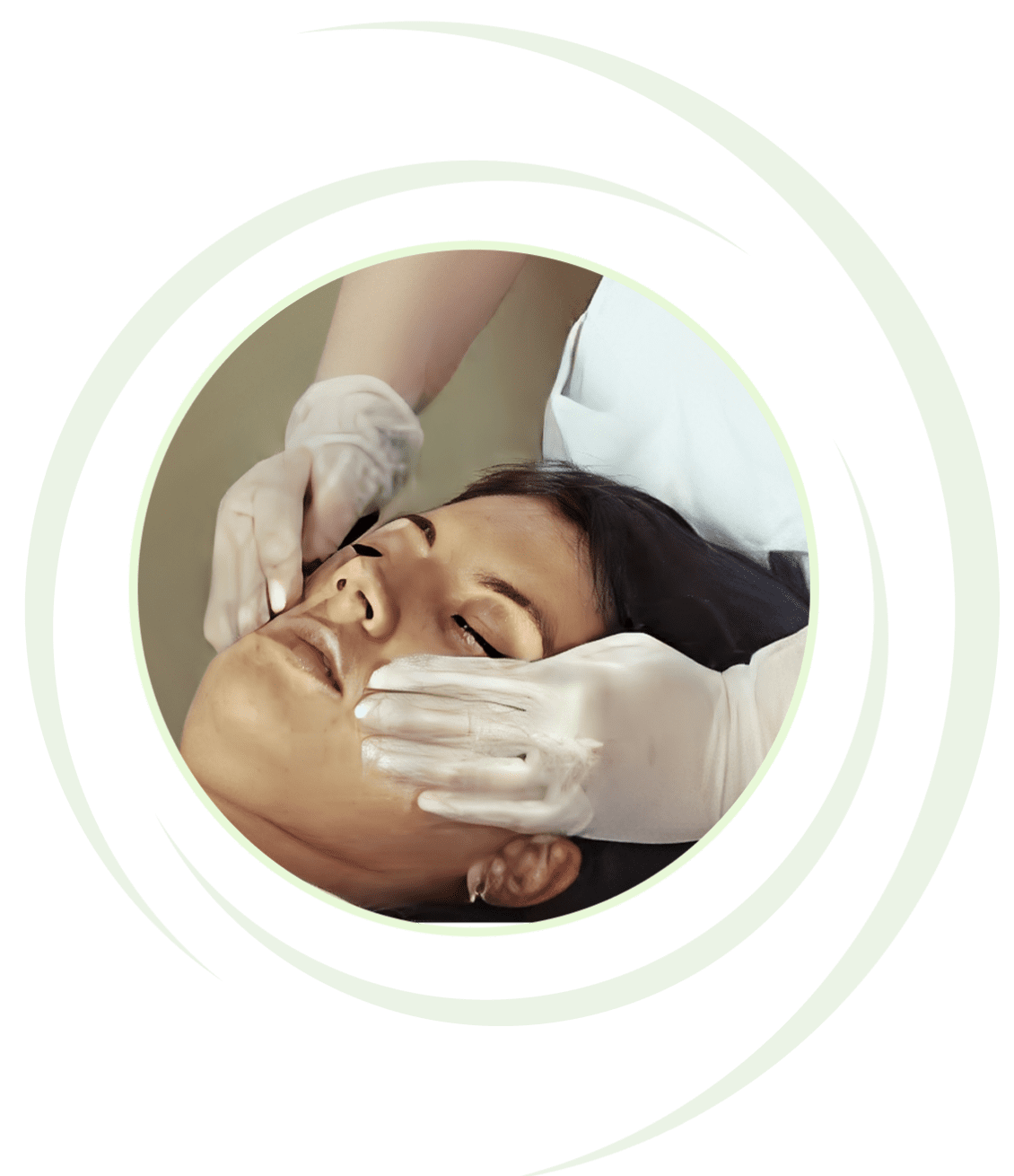
Gentle pressure: The movements are light and should not engage the underlying muscle. The correct technique produces minimal pain or discomfort.
Strategic strokes: A therapist will start by stimulating the lymph nodes in order to decongest or clear out any debris that may have accumulated from the excess fluid present, which will block or prevent the proper drainage or flow of the fluid being removed. Once the nodes are addressed, the therapist will direct flow of fluid in the swollen areas towards the nodes.
Deep breathing: Sessions often begin and end with deep breathing exercises to help stimulate the deeper lymphatic vessels.
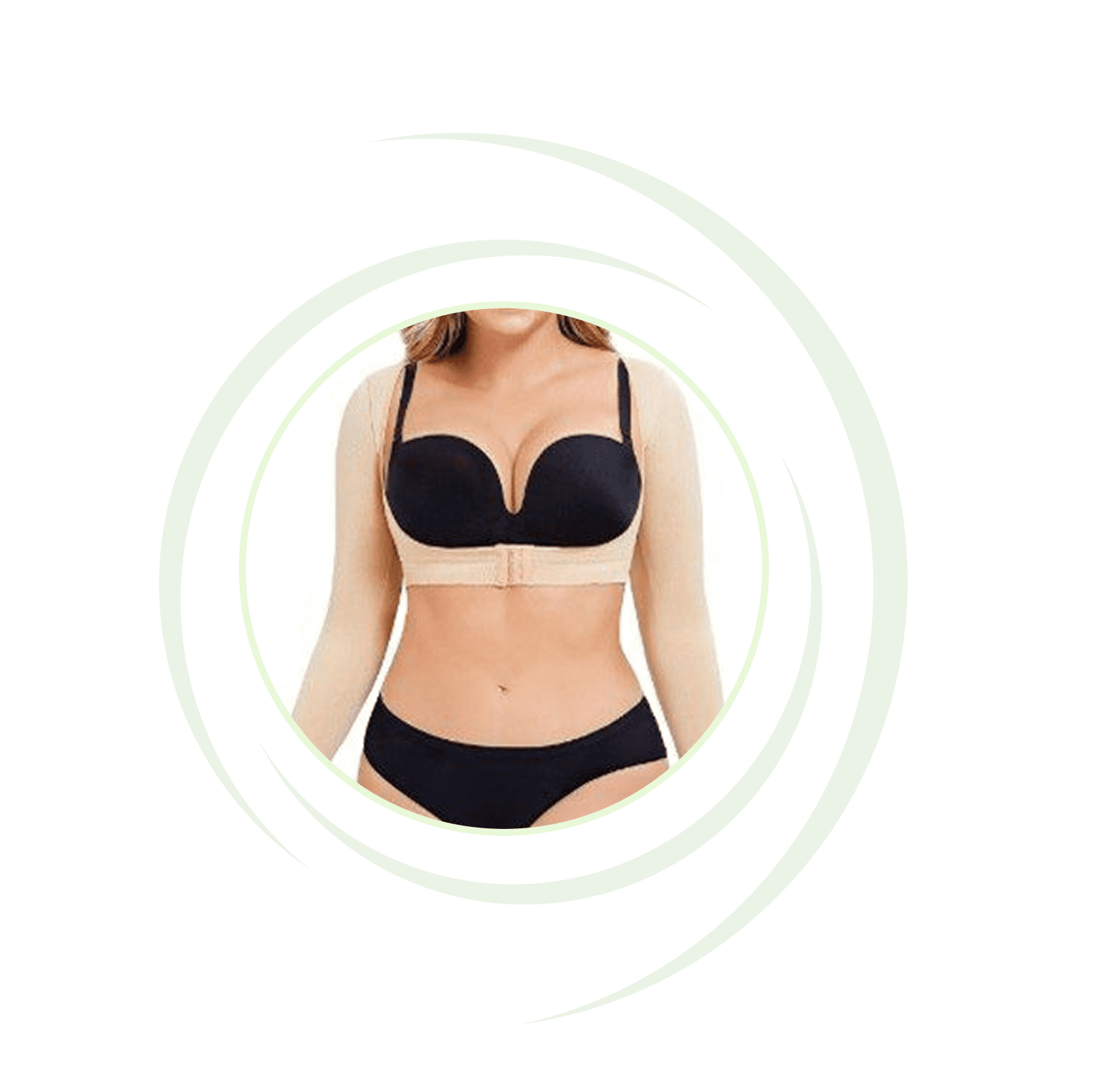
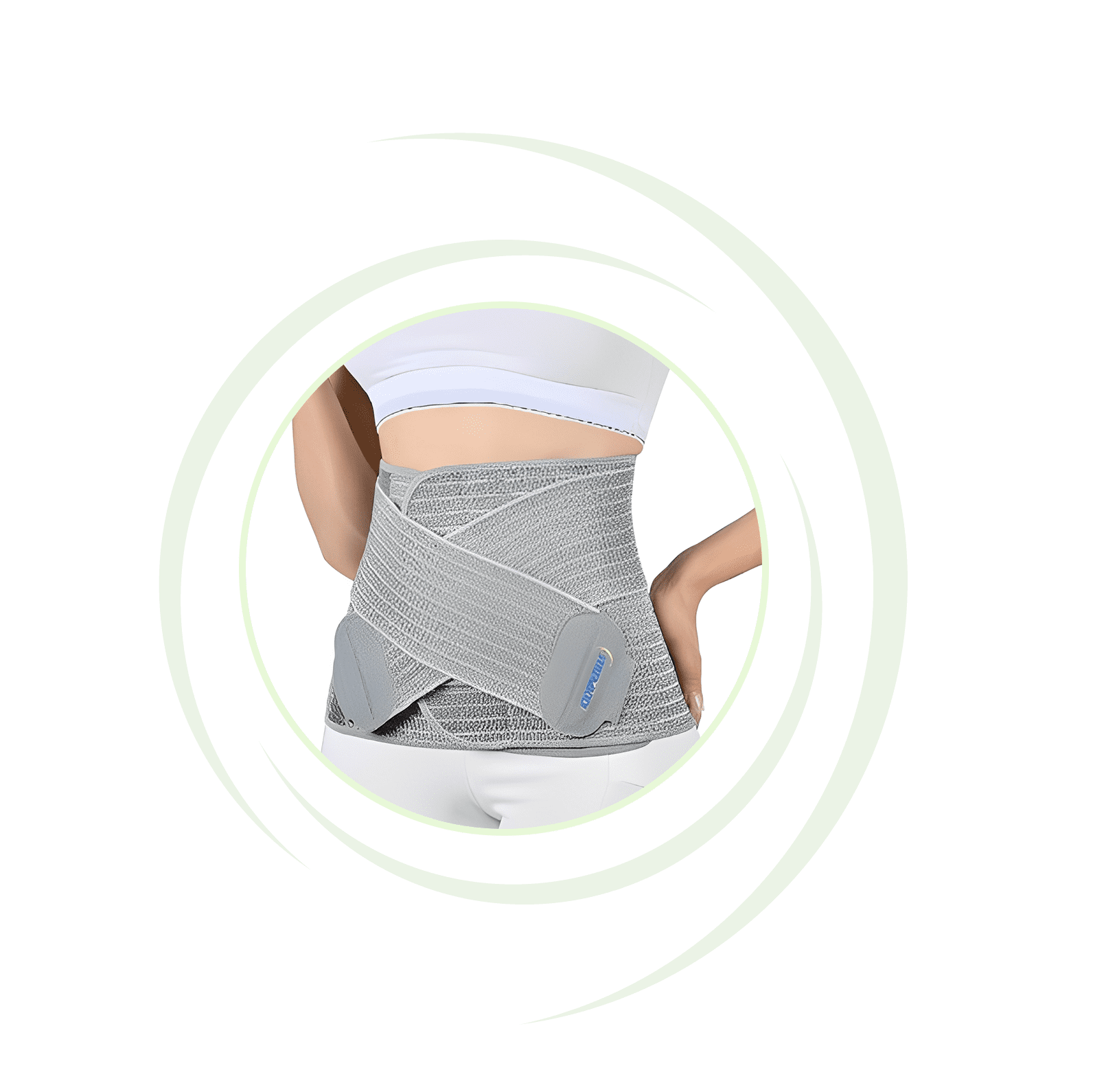
Supplemental therapies: MLD is often performed in combination with other treatments to maximize results such as incorporating compression bandaging or garments and other options.
Supplemental Therapies

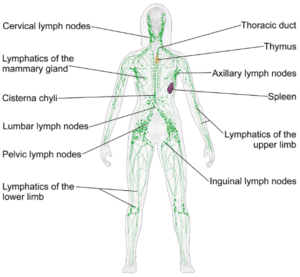
Lymphatic System
What is the Lymphatic System?
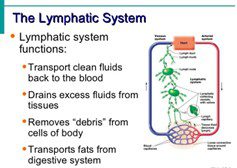
Most people are familiar with the body’s vessel system that carries blood to and from the tissues, but few understand there is another equally vital system of vessels that removes cell wastes, proteins, excess fluid, viruses, and bacteria, which is the Lymphatic System. You can think of the Lymphatic system as your body’s filter. It consists of various organs, vessels, and tissues that work together to move fluid (lymph) throughout your body. It is a vital part of your immune system and protects you against illness. The lymphatic system picks up fluids and waste products from the spaces between the cells. Then this lymph (fluid) is either circulated through lymphatic vessels, filtered, and back into the circulatory system to be re-used, or it is removed as waste. Unlike the circulatory system, which has the heart to pump blood, the lymphatic system relies on muscle contractions and movement to circulate lymph fluid. This is important for many reasons. First, it helps your body adequately distribute and maintain healthy fluid levels. Second, lymphocytes will keep your body safe from infections, parasites, and abnormal cells. Lastly, it helps your body absorb larger molecules that are too big to travel through your capillaries. Like the roots of a tree, the lymph system starts as tiny vessels–only a single-cell wide that eventually branch into larger and larger tubes that carry these fluids back to the blood stream. This network of delicate vessels and lymph nodes is the primary structure of the immune system. The lymph nodes act as check points along the pathways of the vessels. They filter the fluid (called lymph) and serve as the home for lymphocytes cells that attack and destroy foreign bacteria and viruses and even abnormal cells, like cancer cells. When the lymph system works well, we feel healthy and have a strong defense against illness. When it’s sluggish or blocked—say after surgery or an injury—we can have swelling, feel tired, and be more susceptible to colds and infections.
By understanding the anatomy and function of this delicate system, your therapist can assist your body in clearing sluggish tissues of waste and swelling. Though lymph vessels are found throughout the body, most of them—about 70 percent—are located just below the skin. These fragile vessels work to pick up fluids between the cell spaces when gentle pressure is applied to them from increased fluid build-up, muscle contractions, or the pressure of a therapist’s hands. By using very light pressures in a rhythmic, circular motion, a therapist can stimulate the lymph system to work more efficiently and help it move the lymph fluids back to the heart. Furthermore, by freeing vessel pathways, manual lymphatic drainage can help retrain the lymph system to work better for more long-term health benefits.

Deep Oscillation Massage Therapy
Learn More About This Program
Deep Oscillation Massage Therapy
Originated in Germany, this treatment generates a gentle, low-frequency electrostatic impulse that creates rhythmic attractions and releases between the gloved hand of the therapist and the skin, penetrating all tissue layers, including muscles and lymphatic vessels
Benefits:
- Rapid muscle relaxation and pain relief.
- Reduced swelling and bruising.
- Improved lymphatic flow and detoxification.
- Accelerated wound healing and cell regeneration.
- Softening of fibrotic tissue and reduction of scar appearance.
- Improved nutrient delivery to tissues.

Vibration
Learn More About This Program
Vibration Lymphatic Drainage
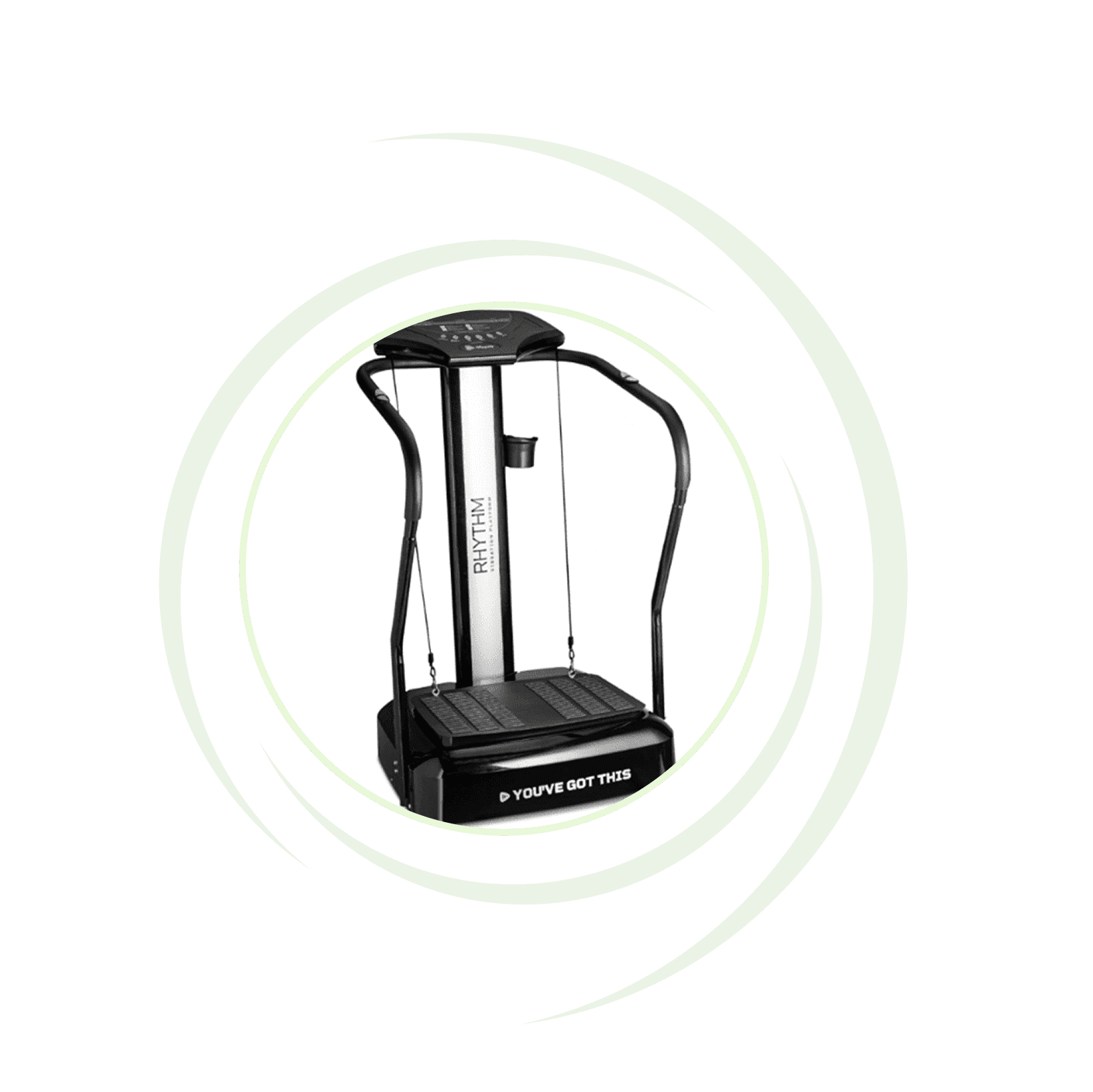
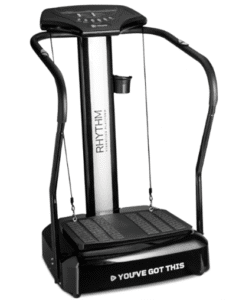
The vibrations generated by the platform create a pulsating effect that can mimic the natural muscle contractions needed to promote lymphatic drainage. When you use a vibration platform, the constant oscillation helps stimulate lymphatic fluid movement, encouraging the flow of lymph throughout the body. This can aid in the removal of toxins and waste products more effective
Benefits:
- Reduces swelling and puffiness
- Improves lymphatic circulation
- Detoxifies the body
- Relieves pain and discomfort associated with conditions such as lymphedema.
- Supports weight loss, especially for individuals who cannot perform traditional exercise

Compression Garments
Learn More About This Program
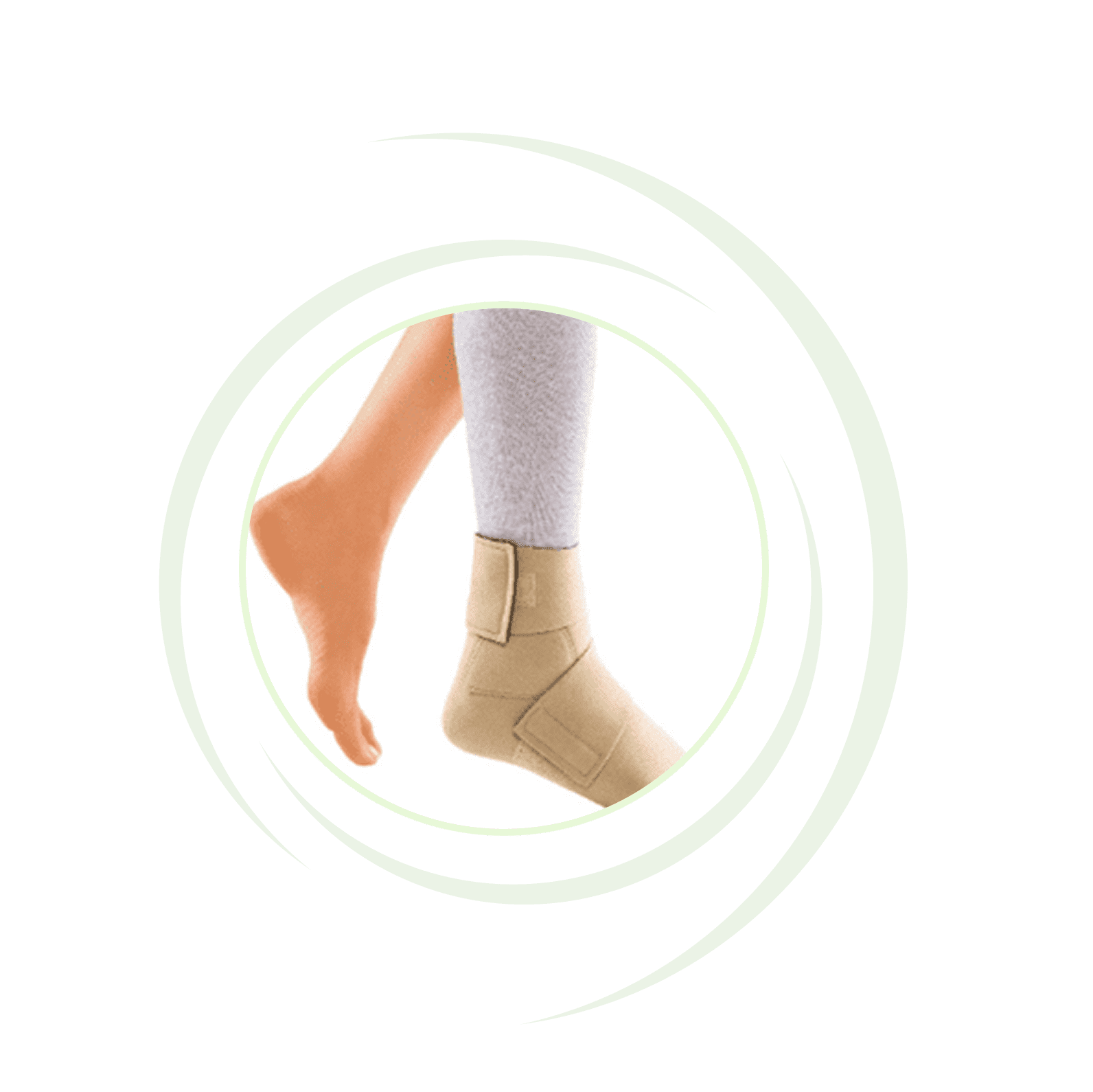
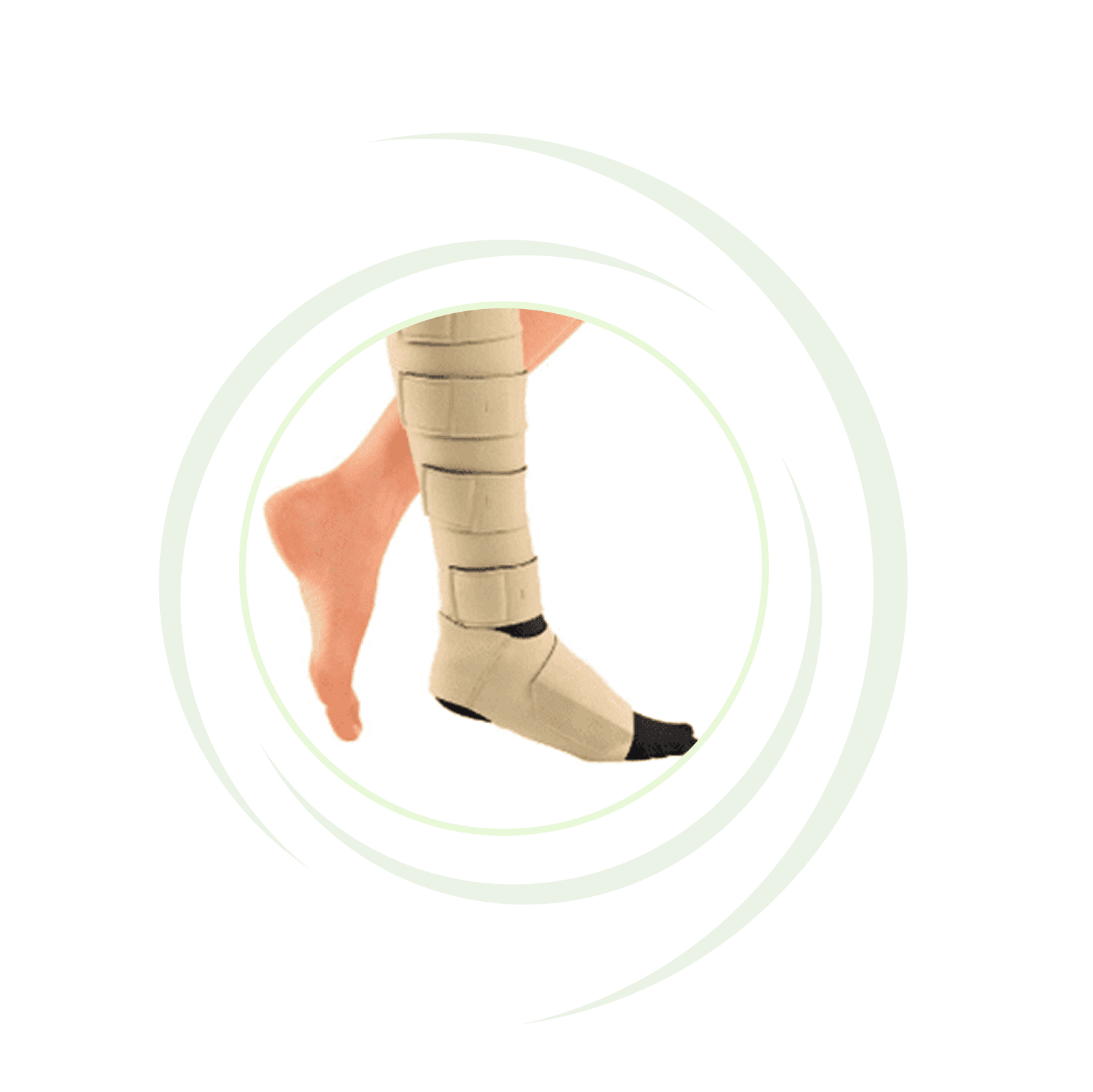
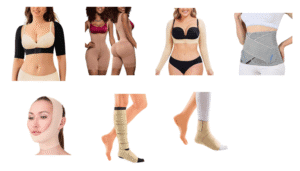
Compression garments, such as stockings, sleeves, binders and wraps apply gentle pressure to the affected area. This pressure helps push fluid through the lymphatic system, promoting drainage. This can be especially beneficial for individuals with lymphedema, a condition where protein-rich fluid accumulates in the tissues or from excess swelling after an injury or surgical procedures.
Benefits:
- Reducing Swelling: Compression garments apply pressure to the affected limb, encouraging lymph fluid to move towards areas with functioning lymph vessels.
- Preventing Fluid Accumulation: Consistent pressure from compression garments prevents lymph fluid from re-accumulating in the tissues.
- Enhancing Lymphatic Drainage: Combining compression with movement (like exercise) significantly improves lymphatic drainage, reducing lymphedema severity.
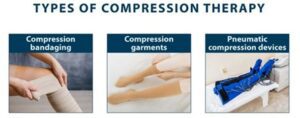
Your therapist will assist in determining which options best meets your post operative procedures.

Red Light Therapy
Learn More About This Program
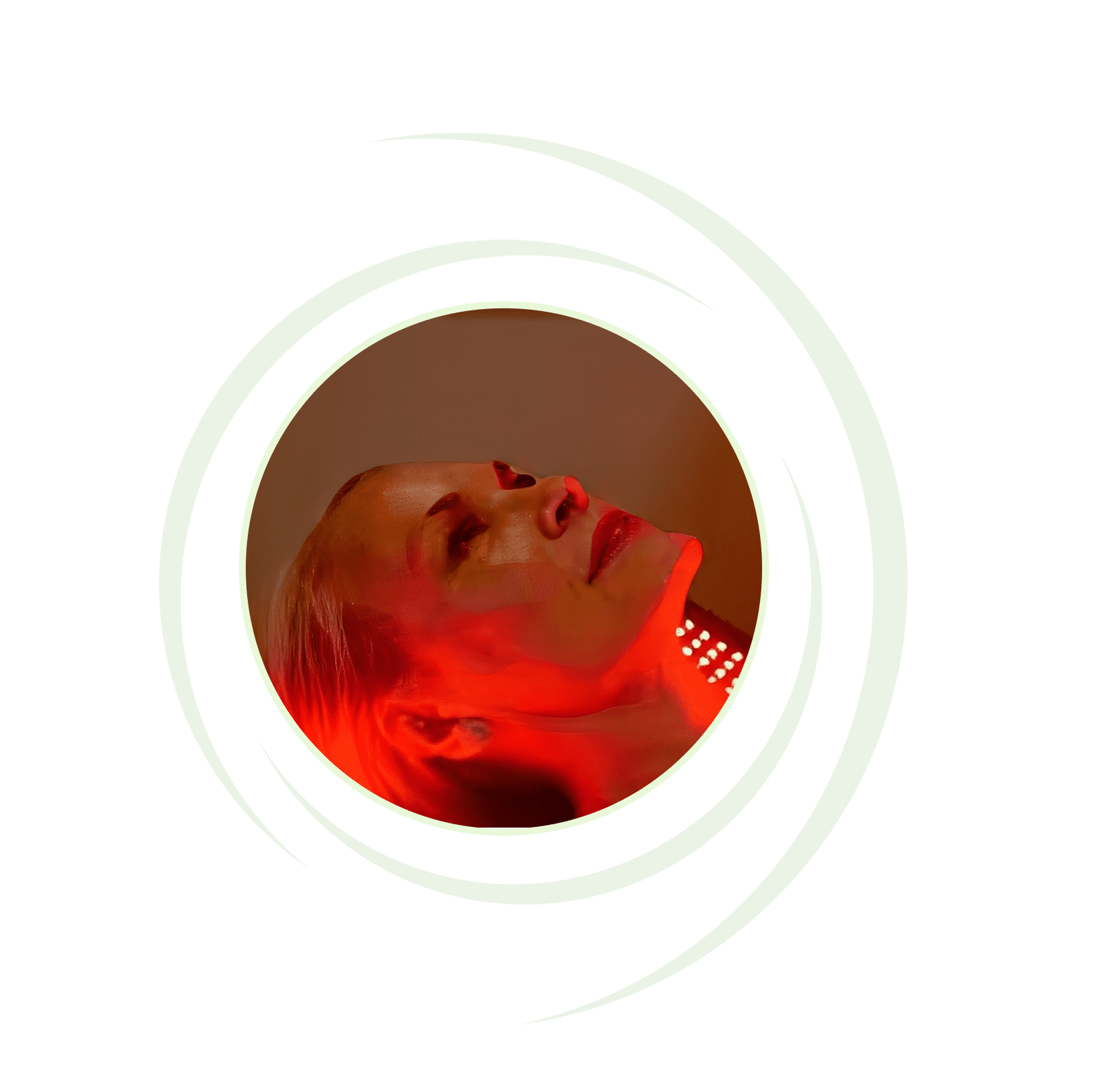
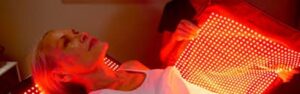
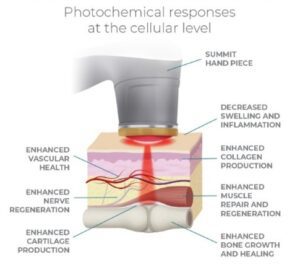
LED Red Light therapy (RLT), also known as photobiomodulation, is a non-invasive treatment that uses low-wavelength red light to trigger a cellular healing response. Unlike ultraviolet (UV) rays from the sun, these do not harm the skin or increase the risk of skin cancer. The treatment works by stimulating the mitochondria, often called the "powerhouse" of the cell. This boosts cellular energy production (ATP), allowing cells to function more efficiently, repair themselves, and promote new growth.
Benefits:
- Decreased Inflammation and Swelling: Tissue damage from plastic surgery frequently results in edema and inflammation. By modifying inflammatory pathways, RLT decreases discomfort and encourages quicker healing of swelling.
- Improved Wound Healing: Red light therapy’s collagen-stimulating properties can help post-surgical wounds and incisions heal more quickly and leave fewer scars. This is especially useful for surgeries that require significant suturing, such as tummy tucks and breast surgeries.
- Improved Pain Management: One typical post-operative complaint is discomfort. RLT can naturally reduce discomfort and decrease the need for medications by improving cellular repair and lowering inflammation.
- Reduced Scarring: The creation of collagen is essential for the restoration of healthy skin. RLT is a fantastic addition to recovery regimens for facial plastic surgeries and tummy tucks since it helps to improve scar texture and regenerate skin cells.
- Increased Lymphatic Drainage: Improved lymphatic flow by promoting lymphatic drainage. Red light treatment aids in the body’s removal of excess fluid and toxins, facilitating a quicker recovery.

Scar Management

Cold Laser Therapy
Learn More About This Program
Cold Laser Therapy, also known as low-level laser therapy (LLLT) or photobiomodulation, uses low-intensity light to promote healing and relieve pain without damaging tissue. It works by increasing circulation, reducing inflammation, and triggering endorphins to aid in pain relief. Common uses include treating musculoskeletal conditions like arthritis, sprains, and joint pain, as well as aiding post-operative healing.
Benefits:
- Reduces inflammation and swelling:
- It helps increase blood flow to the affected area, which reduces swelling and speeds up the healing process.
- Eases pain:
- The therapy can trigger the release of endorphins, which are the body's natural painkillers, and improve circulation to ease discomfort.
- Promotes healing:
- It enhances the body's natural healing processes to repair damaged tissues, muscles, and ligaments.

L-Dex
Learn More About This Program
L-Dex
The Lymphedema Index (L-Dex) is a measurement system that helps assess unilateral lymphedema of the arm or leg (swelling occurring in only one). The L-Dex score, only available from ImpediMed, is designed to detect small lymphedema-related fluid changes in the limbs by representing the difference in the amount of extracellular fluid in an at-risk limb compared to an unaffected limb.
How does the L-Dex assessment help a patient?
- Assess early stages of lymphedema in patients at risk of developing the condition and therefore start therapy as soon as possible.
- Accurately assess the effectiveness of therapy for those who already have lymphedema
Why should a patient have an L-Dex measurement?
- Lymphedema can occur any time following cancer treatment. Most occurs within the first two years following surgery, but it can develop as late as 10 years following cancer treatment.
- Early detection of lymphedema is critical to aid in successful treatment and reversal of the condition. L-Dex measurements are a non-invasive and sensitive method to aid in the assessment and early detection of lymphedema of the limb.